
Tokyo Camii, Halal Ramen & Wagyu Travel Guide
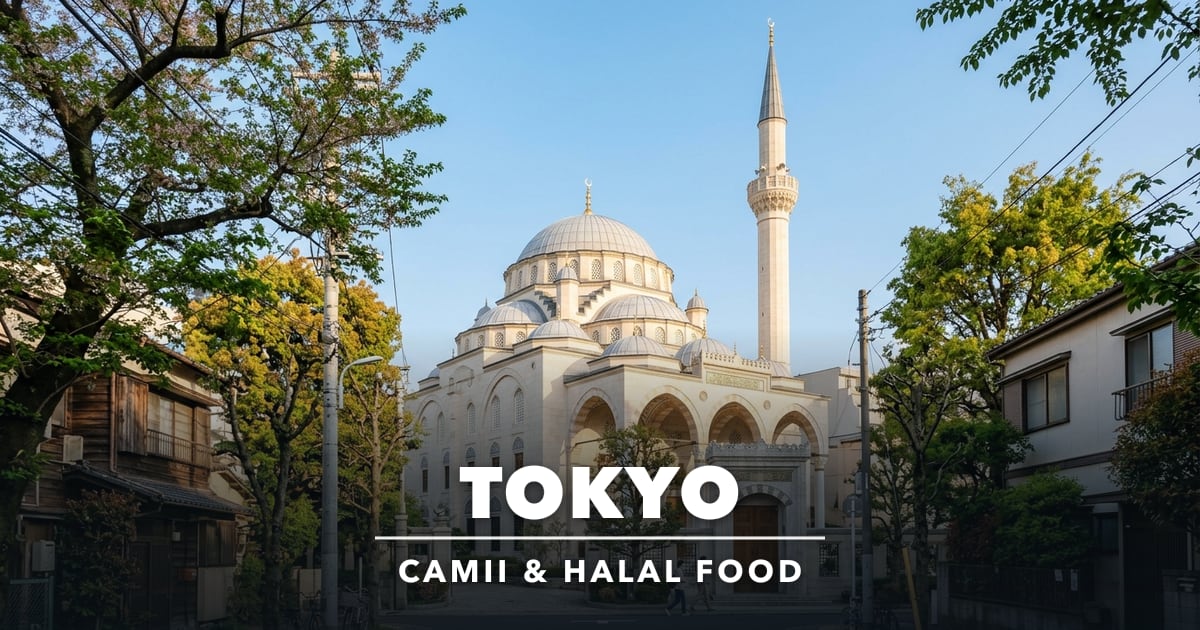
From the stained glass of Tokyo Camii in Yoyogi-Uehara to Shibuya and Ginza prayer rooms, halal chicken paitan ramen, A5 halal wagyu yakiniku, and Japanese sauce checks—everything needed to explore Tokyo deeply.
Inside Tokyo Camii (1938 / 2000), free weekend tours & 1F halal market
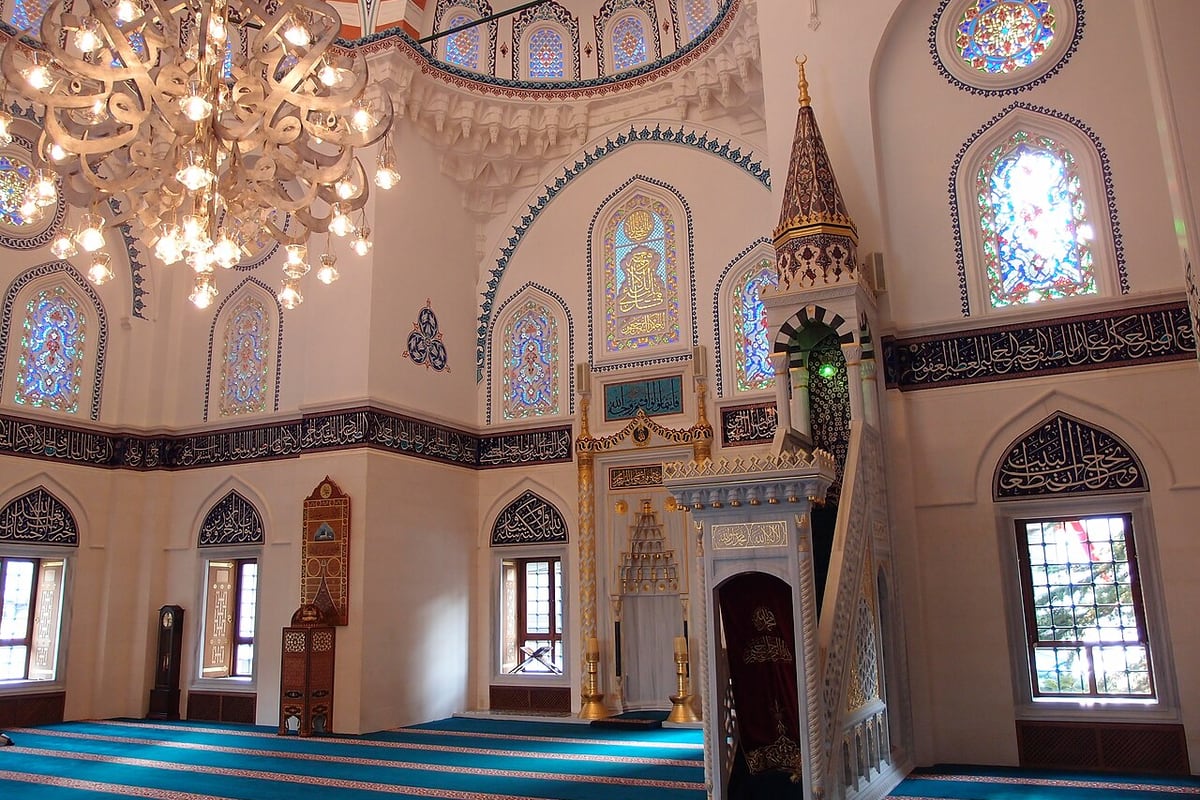
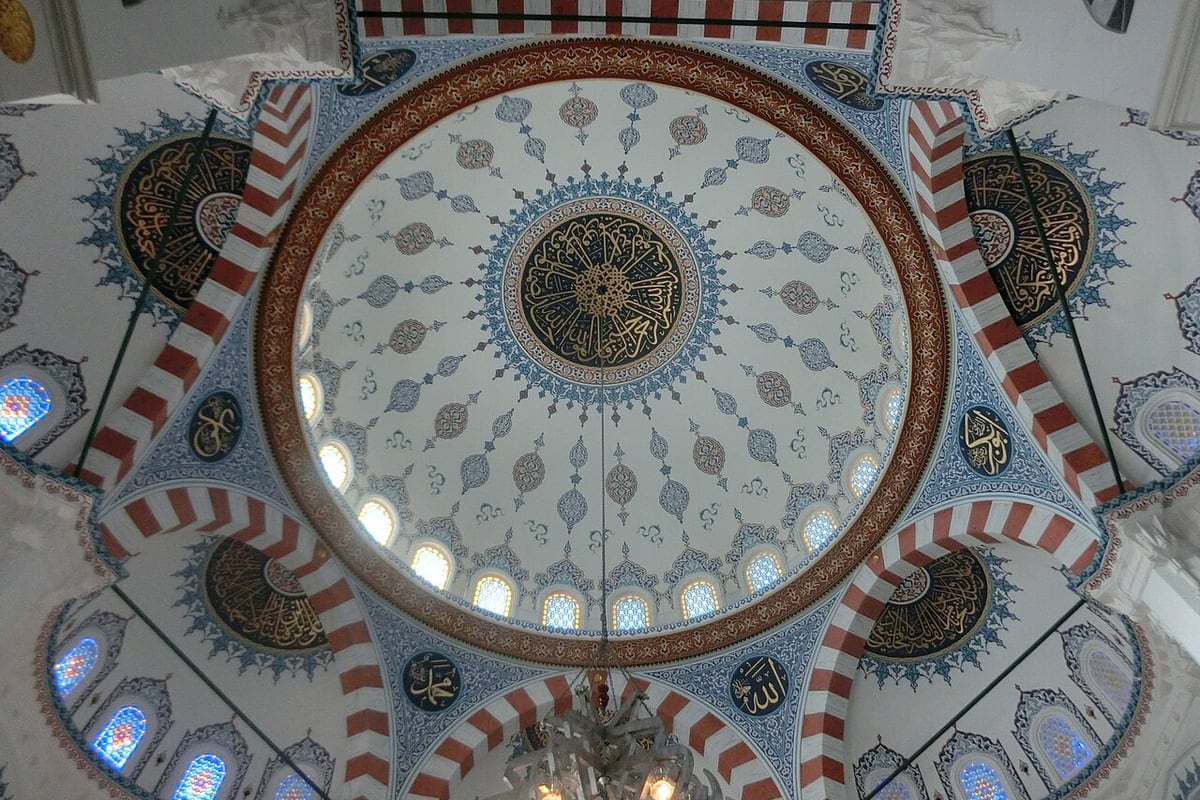
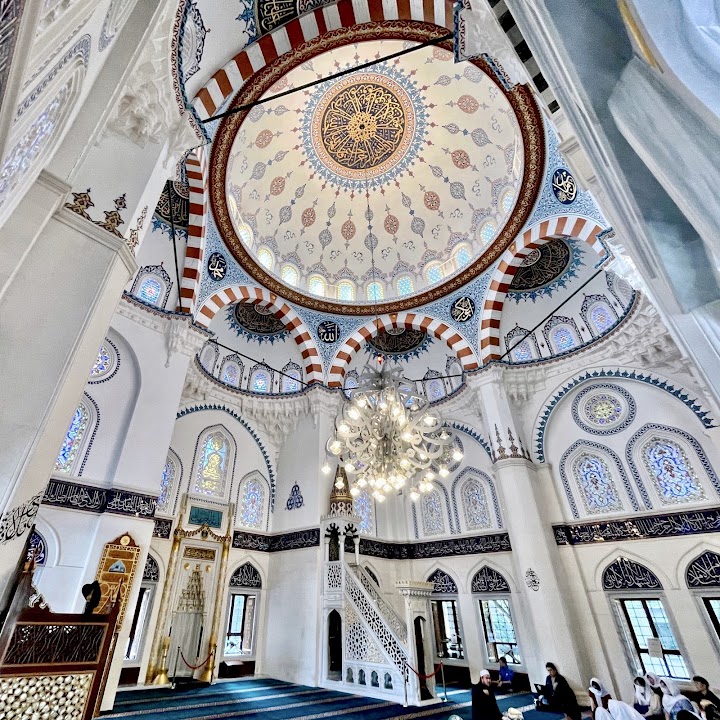
Japan's largest mosque began in May 1938 as a prayer hall built by Bashkir and Tatar Turkic Muslims in Tokyo. After the original timber hall was demolished in 1986, donations from across Turkey funded a classical Ottoman reconstruction inaugurated on June 30, 2000—complete with Turkish marble, stained glass, and gold calligraphy.
- Access: Ride the Odakyu Line direct from Shinjuku (6–8 min) or the Tokyo Metro Chiyoda Line to Yoyogi-Uehara Station, then walk 5 minutes.
- Opening hours: Daily 10:00–18:00 (on Fridays, general sightseeing begins after Jummah around 14:00–14:30).
- Free weekend guided tour: Saturdays, Sundays, and public holidays at 14:30 (45–60 min, no reservation required for individuals—gather in the 1F lobby).
- 1F Tokyo Camii Halal Market (10:00–19:00): Stocks Turkish baklava, fresh flatbreads, halal cheeses, spices, halal meats, and Japanese halal souvenirs.
- Dress code: Cover shoulders and knees; women cover hair in the 2F prayer hall (complimentary scarves and cloaks are provided at the entrance).
 Tokyo Camii & Diyanet Turkish Culture CenterMosque · Shibuyahalalmap.org
Praying across Tokyo without backtracking (mosques, malls & airports)
You do not need to return to Yoyogi-Uehara for every prayer. Tokyo pairs neighborhood mosques in Asakusa and Ueno with clean multi-faith prayer rooms (inori-ba) inside major shopping hubs and airports.
- East Tokyo mosques: Masjid Darassalam (Asakusa Mosque) near Senso-ji and Masjid As-Salaam (Ueno-Okachimachi) near Ameyoko make midday prayers easy on sightseeing days.
- Shopping-hub prayer rooms: Multi-faith rooms operate inside major commercial centers including Shibuya PARCO, SEIBU Shibuya, and Matsuya Ginza—check the building directory or information desk on arrival.
- Airports: Both Haneda and Narita international terminals provide wudu-equipped prayer rooms before flights or right after landing.
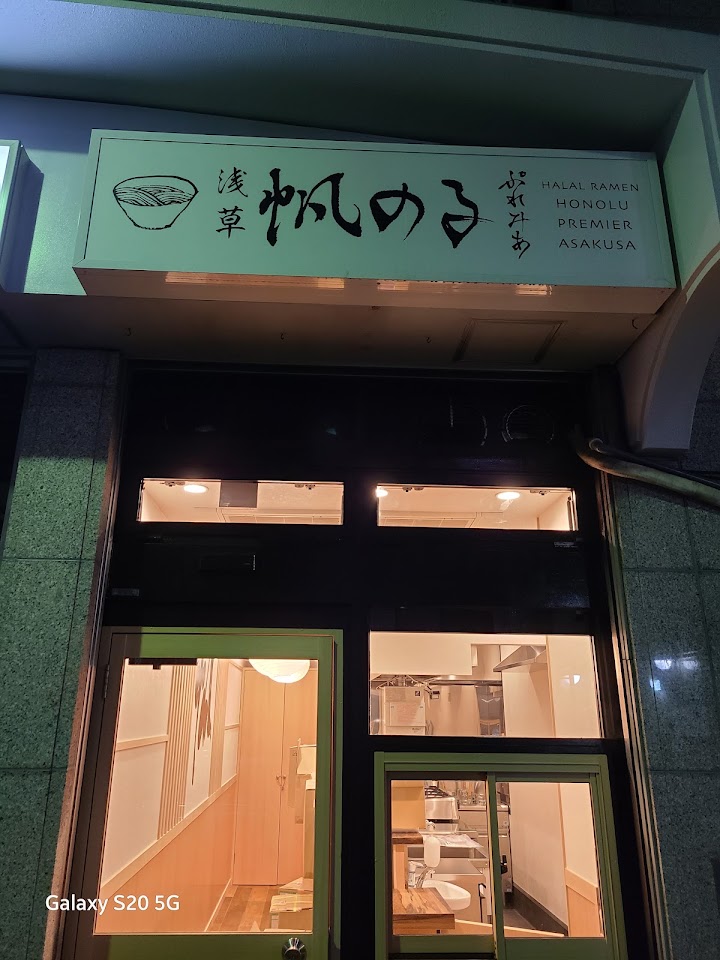
Halal ramen & A5 halal wagyu across Shibuya, Shinjuku & Asakusa
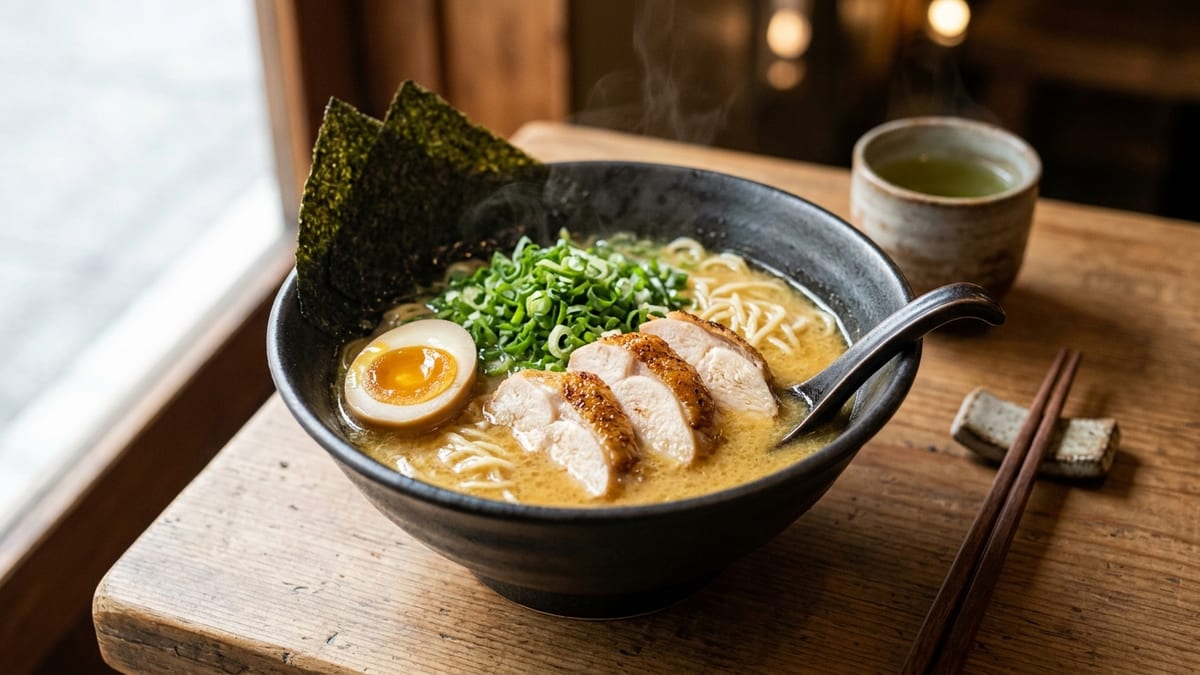
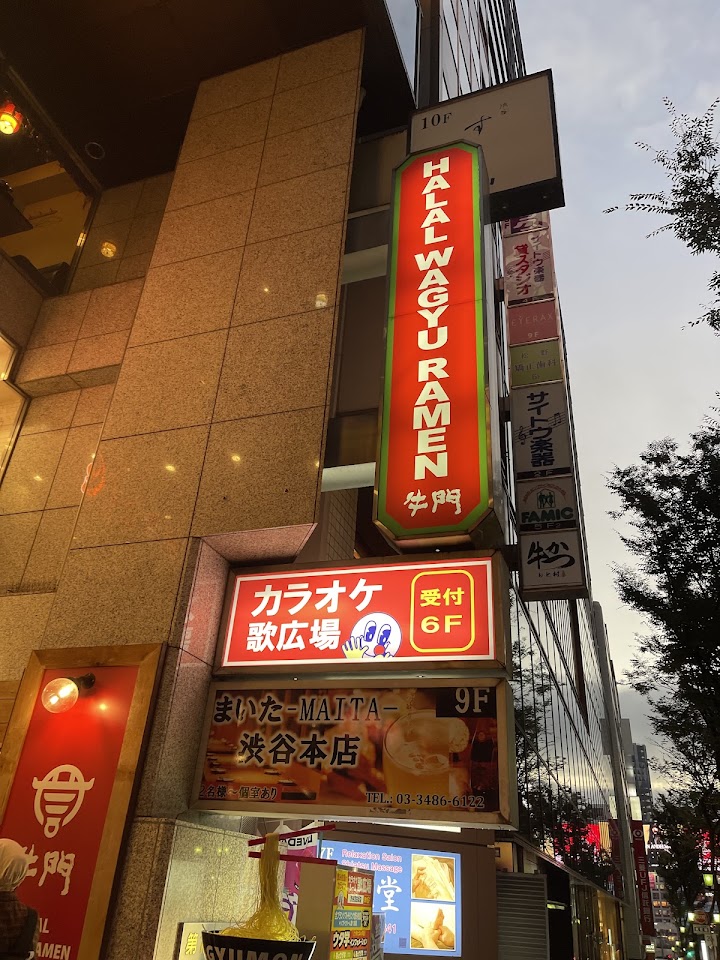
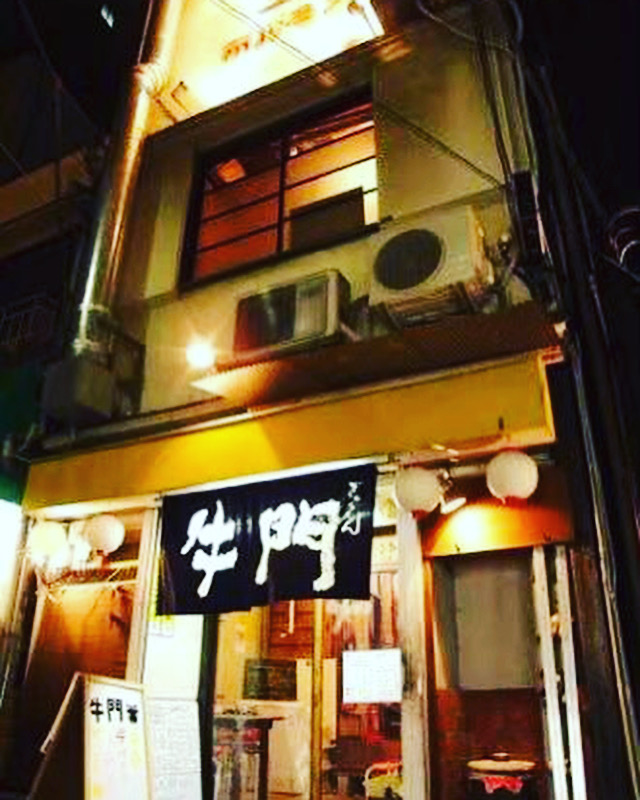
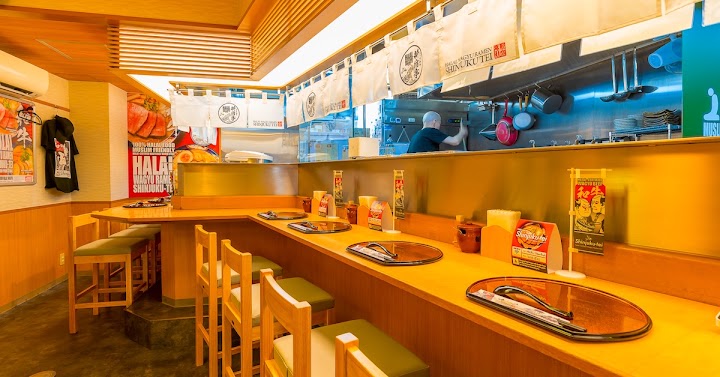
Tokyo is one of the best cities in the world to experience authentic Japanese cuisine prepared strictly halal—from creamy chicken paitan and halal wagyu ramen to marbled A5 halal wagyu yakiniku, sukiyaki, and shabu-shabu.
- Beat the 12:00 ramen rush: Famous counters in Asakusa and Shibuya build 30–45 minute lines between 12:00 and 13:30; go at 11:15 or after 14:30 for quick seating.
- Ticket machines & transit: Keep a few 1,000-yen bills for compact ramen vending machines alongside mobile Suica or PASMO.
- Book A5 halal wagyu ahead: Popular Shibuya, Shinjuku, and Minato halal yakiniku grills frequently sell out on Friday and Saturday evenings—reserve online several days before.
- Check certification vs. Muslim-friendly: Review each Halalmap listing to distinguish fully halal-certified kitchens from shared-kitchen venues offering separate halal menus.
Sushi, matcha, mochi & Japanese curry halal check (plus Japanese card)
Outside dedicated halal restaurants, Japanese cooking relies heavily on mirin (sweet rice wine), cooking sake, pork-based curry roux, and alcohol-preserved soy sauce. Knowing the hidden ingredients in five classic foods saves endless guesswork.
| Japanese food | Main hidden risk | How to enjoy safely in Tokyo |
|---|---|---|
| Sushi (스시 / 寿司) | Vinegar rice (sushizu) may use mirin/alcohol; regular shoyu has alcohol | Choose halal-certified sushi or confirm alcohol-free vinegar and bring/request halal soy sauce |
| Japanese curry (카레) | Standard curry roux blocks frequently contain lard (pork fat) or beef extract | Eat at dedicated halal Japanese curry shops in Asakusa, Shinjuku, or Shibuya |
| Matcha & wagashi mochi | Pure matcha and red-bean mochi are plant-based, but cakes may use gelatin or liqueur | Stick to freshly whisked matcha, plain warabimochi/daifuku, and check cream desserts |
| Tempura & soba noodles | Dipping sauce (tsuyu) almost always mixes mirin and standard soy sauce | Visit halal tempura/soba venues or request plain sea salt with vegetable/shrimp tempura |
| 7-Eleven / Lawson / FamilyMart | Onigiri seasonings, bread shortening, and gelatin in desserts | Scan ingredients carefully—do not assume plain seafood onigiri is alcohol-free |
Japanese request card to show restaurant staff
Show this sentence on your phone: '豚肉・豚エキス・アルコール・みりんを使っていないメニューはありますか。' (Do you have menu items made without pork, pork extract, alcohol, or mirin?)
Practical 2-day Tokyo halal route (West & East Tokyo)
- Day 1 (West Tokyo — Yoyogi-Uehara, Shibuya & Shinjuku): Tour Tokyo Camii and browse the 1F halal market (aim for 14:30 on weekends for the free tour), pray Dhuhr/Asr, explore Shibuya Crossing or Harajuku, and enjoy reserved A5 halal wagyu yakiniku or halal ramen for dinner.
- Day 2 (East Tokyo — Asakusa, Ueno & Ginza): Visit Senso-ji early, eat halal ramen at 11:15 in Asakusa before peak crowds, pray at Masjid Darassalam or Masjid As-Salaam, browse Ameyoko or Ginza (Matsuya Ginza prayer room), and wrap up with halal curry or Middle Eastern dining.
Frequently asked questions
- Do I need a reservation for the Tokyo Camii weekend guided tour?
- No reservation is needed for individuals or small groups on the free Saturday, Sunday, and public holiday tours at 14:30—simply meet in the first-floor lobby.
- Where can I pray while shopping in Shibuya or Ginza?
- Multi-faith prayer rooms (inori-ba) operate inside major commercial buildings including Shibuya PARCO, SEIBU Shibuya, and Matsuya Ginza, alongside neighborhood mosques in Asakusa and Ueno.
- Is sushi in Tokyo automatically halal?
- Not automatically. Even though raw fish is halal, standard sushi rice seasoning (sushizu) often contains mirin or alcohol-derived vinegar, and standard soy sauce contains alcohol. Visit dedicated halal sushi restaurants or verify the vinegar and soy sauce first.
- Should I reserve halal A5 wagyu yakiniku in Tokyo?
- Yes. Popular halal wagyu yakiniku, sukiyaki, and shabu-shabu restaurants in Shibuya, Shinjuku, and Minato frequently book out on Friday nights and weekends.
- Can Muslim travelers eat matcha and mochi desserts in Asakusa?
- Pure whisked matcha and traditional red-bean mochi are generally plant-based, but modern parfaits, cakes, and soft-serve mixes may contain gelatin, shortening, or liqueur—always ask staff before ordering.
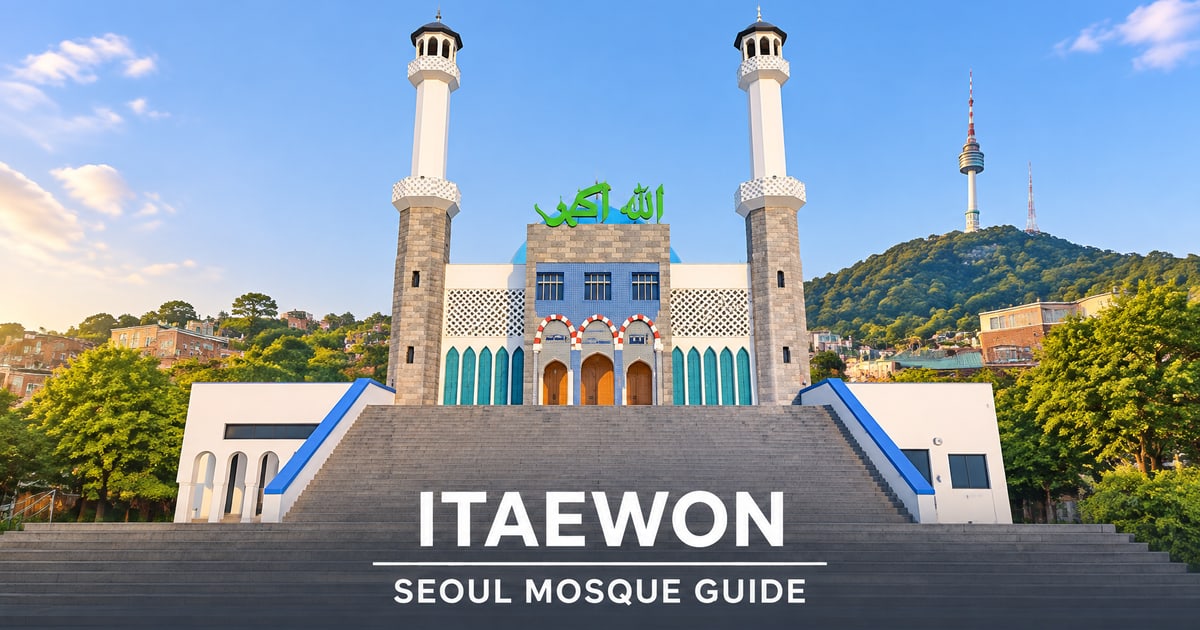
Itaewon Halal Food & Seoul Central Mosque Walking Guide
Itaewon and the uphill Usadan-ro lane around Seoul Central Mosque form South Korea's densest halal dining and grocery district. Here is how to plan transit, prayer, dining, and shopping in one walking route.
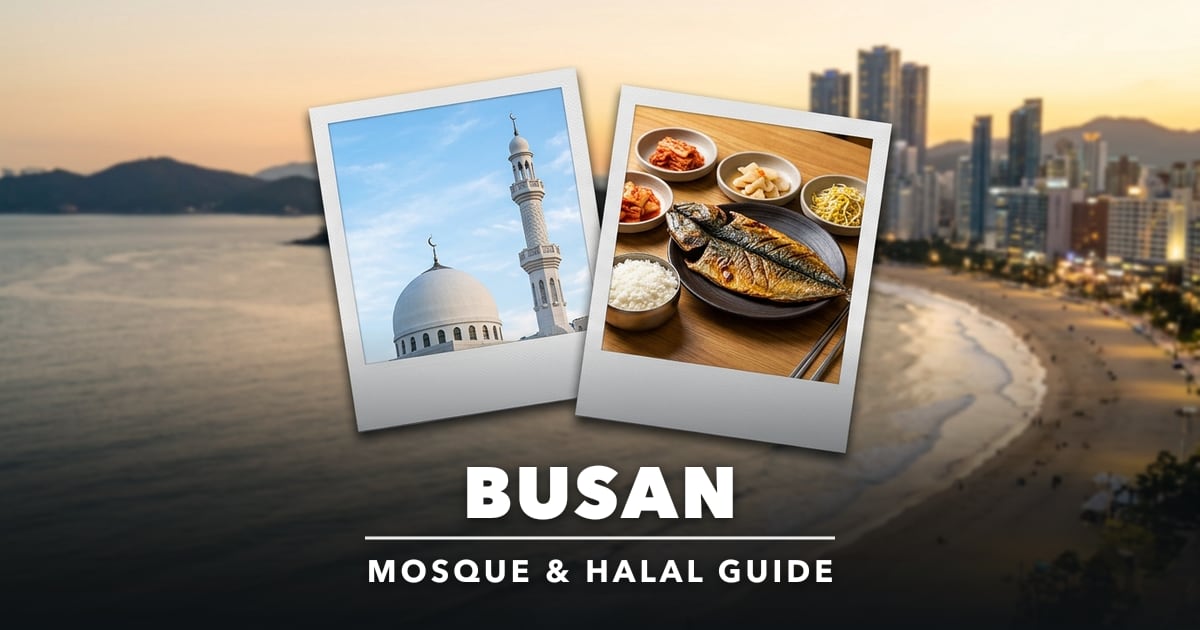
Busan Al-Fatah Mosque & Halal Travel Guide
Established on September 12, 1980 in Geumjeong-gu, Busan Al-Fatah Mosque anchors southern Korea's Muslim community. Use this field guide for mosque details, airport prayer rooms, verified halal restaurants, eomuk and seafood checks, and a 2-day KTX itinerary.
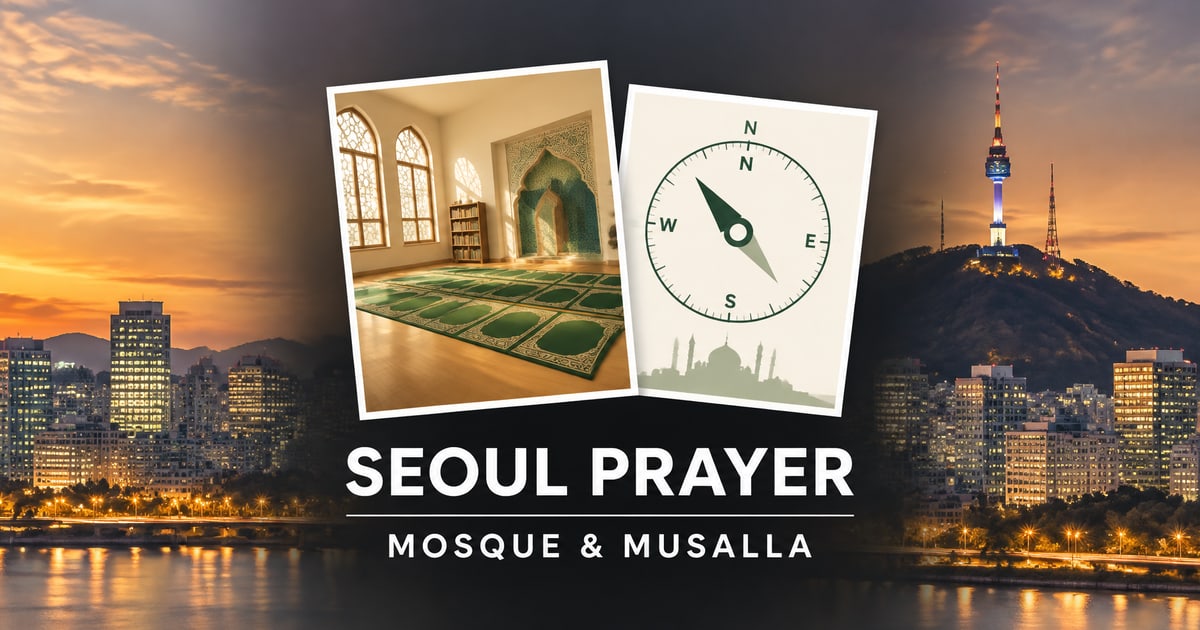
Mosques & Prayer Rooms in Seoul: Practical Visitor Guide
Outside Itaewon, prayer spaces in Seoul are mostly compact prayer rooms inside universities, major shopping complexes, hospitals, or community centers. Here is what to expect regarding wudu, access rules, and daily planning.
Have a question about this topic?
Ask fellow Muslim travelers in the Halalmap community or share your latest on-the-ground experience.
Check before visiting
Halalmap does not issue halal rulings. Menus, ingredients, certification status, and prayer facilities can change over time, so please confirm directly with staff or facility operators before visiting.